What Does Bounce Mean on a Wedge?
Wedge bounce is the angle between the leading edge and the lowest point of the sole. Here is what the bounce number means and how much bounce you need.
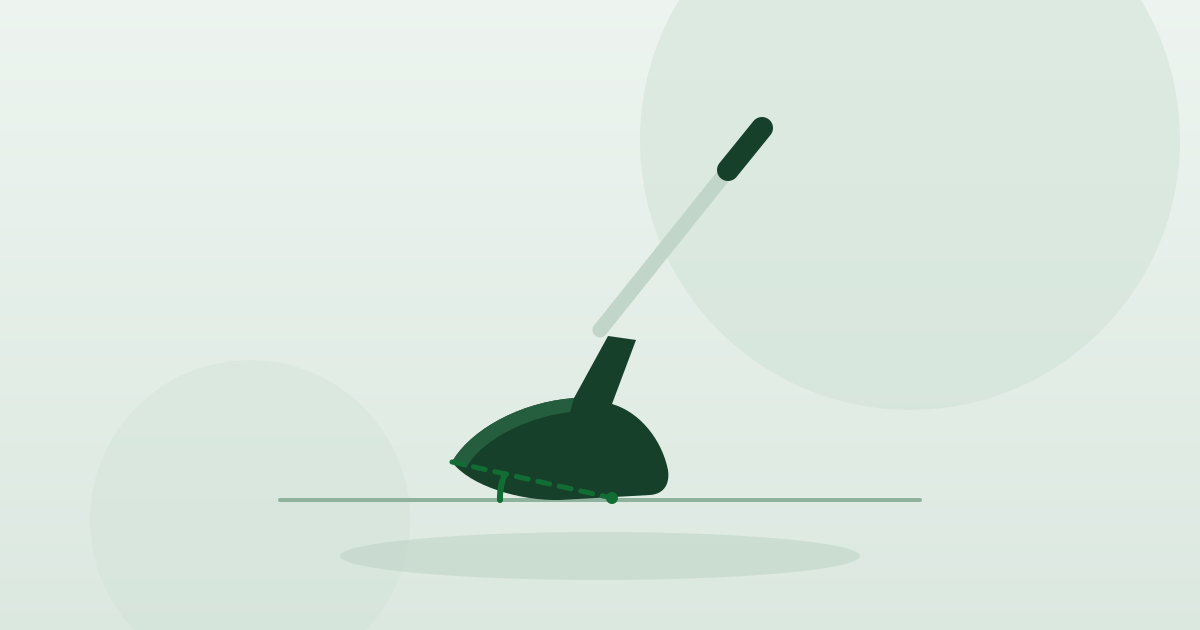
Bounce is the angle between a wedge's leading edge and the lowest point of its sole when the shaft is vertical. In plain terms, it is how much the sole hangs below the front edge of the club — and it is what stops the wedge from digging into turf or sand. Bounce is usually printed on the wedge next to the loft (a wedge stamped 56-10 has 56 degrees of loft and 10 degrees of bounce), and choosing the right amount matters as much as choosing the right loft.
Golfers who agonize over loft often ignore bounce completely, then wonder why their wedge digs, skips or blades through the green. This guide explains what the bounce number means, how much bounce you need for your conditions and swing, when low or high bounce is the better pick, and why the answer changes on the mats at an indoor simulator.
- Bounce is the angle between the leading edge and the sole's lowest point.
- It is stamped on most wedges next to the loft — for example 56-10.
- Low bounce is commonly around 4 to 6 degrees, mid around 7 to 10, high above 10.
- More bounce resists digging; less bounce sits tighter to firm ground.
- Your turf, sand and how steeply you swing decide how much you need.
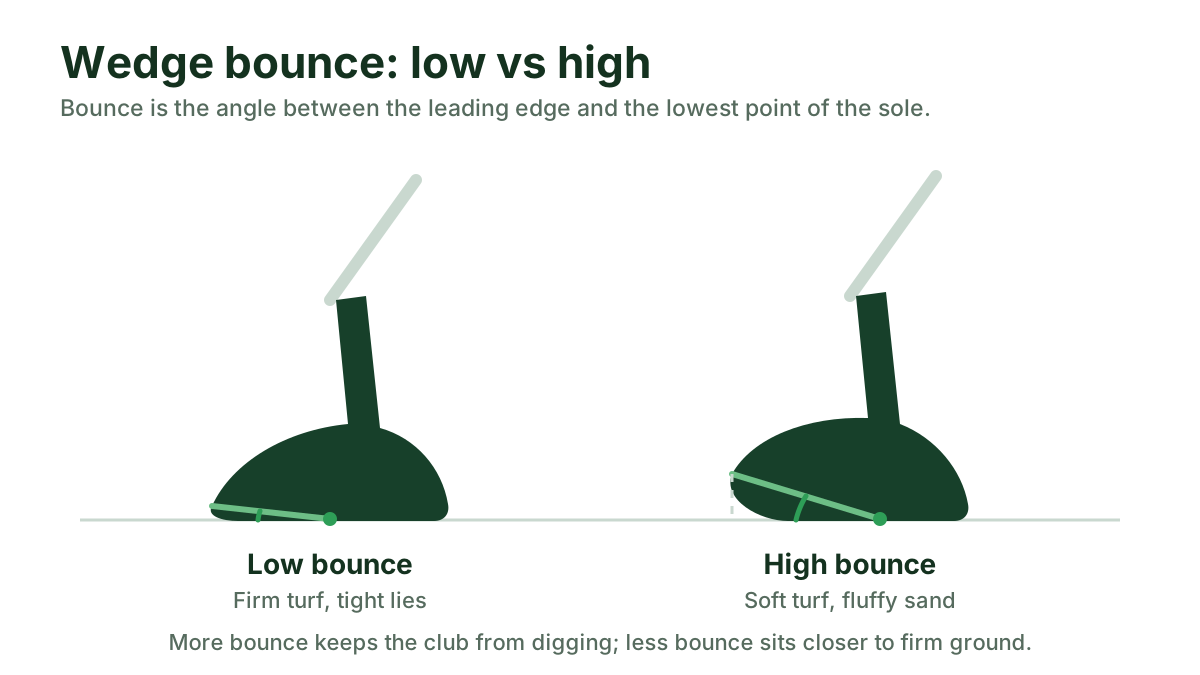
What is bounce on a wedge?
Hold a wedge with the shaft vertical and look at the sole: the leading edge sits slightly off the ground because the back of the sole hangs lower. The angle between those two points is bounce. When you strike a shot, the sole — not the leading edge — is what glides through turf or sand, and bounce controls how strongly it resists digging in. That is why bounce is often called the wedge's forgiveness: more of it lets the club skim through the ground even when your strike is slightly steep or behind the ball.
How much bounce do you need on a wedge?
Wedges are commonly grouped into low bounce (around 4 to 6 degrees), mid bounce (around 7 to 10) and high bounce (above 10). Mid bounce is the safe, versatile default that suits most golfers and most conditions. From there, two things push you up or down the scale: your ground and your swing. Soft turf, fluffy sand and a steep, digging strike all favour more bounce; firm turf, tight lies and a shallow, sweeping strike favour less. If you do not know your tendency, mid bounce rarely punishes you — and a club fitting can measure it properly.
When is low bounce better?
Low bounce shines where the ground is firm and the ball sits tight: links-style turf, dry summer fairways, hardpan and compacted sand. With little sole hanging below it, the leading edge tucks close to the ground, so you can nip the ball cleanly and open the face for delicate shots without the sole pushing the edge up into the ball's equator. The trade-off is a smaller margin for error — hit slightly behind the ball on soft ground and a low-bounce wedge digs rather than glides. Low bounce is popular on lob wedges for exactly these tight-lie finesse shots.
When is high bounce better?
High bounce earns its keep on soft ground: lush fairways, wet conditions and light, fluffy bunker sand. The extra sole angle works like a keel, letting the club splash through sand and thick turf without burying. It also rescues steep swingers — if your divots are deep, high bounce converts some of that dig into glide. This is why sand wedges commonly carry some of the highest bounce in the bag. The trade-off is on firm ground, where a high-bounce sole can push the leading edge up and cause thin contact.
Does bounce matter on simulator mats?
Yes, in a way worth knowing about. Most indoor bays use firm hitting mats, which behave more like tight fairway lies than soft turf — the mat will not let a wedge dig the way ground does, and it can mask a steep strike by bouncing the club into the ball. So if your wedges feel great indoors but dig outdoors, bounce (and your angle of attack) is a likely reason. A launch monitor helps here: watching your attack angle and strike data indoors tells you whether you are a digger or a sweeper before you choose your next wedge. You can find a simulator near you to test it.
Sorting out your wedges? Check the full golf club loft chart, read what degree is a sand wedge, or find a simulator near you to see your strike data in person.
Once you understand the bounce and sole you need, compare wedge options for mid-handicappers. Check the specific loft, bounce and grind of the variant you intend to buy; a model name alone does not establish a suitable fit.